
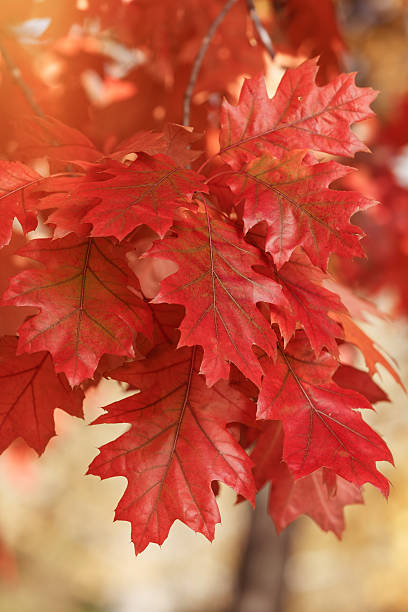
Flow with nature. Stand like oak.
NEWS
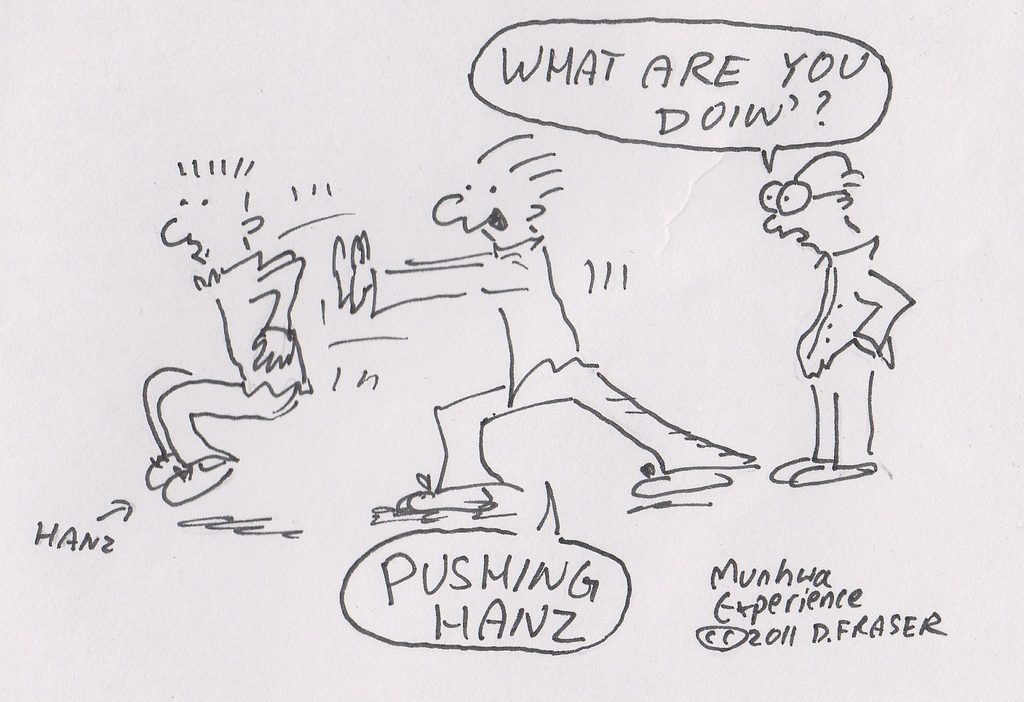
NEW STUDENTS
Our Taichi class is brand‑new in Oakville, and we’re excited to grow our little community.
If you can help us spread the word, please share this Taichi class flyer PDF with your parents, friends, neighbours—basically anyone who enjoys moving, relaxing, or having fun. We will be happy to offer you a “Bring a Neighbor” free pass.
Tell them to come join us in Oakville and let’s build a happy Taichi family together!
Wudang Mountain
(Canadian free visa to China by 31 Dec 2026)
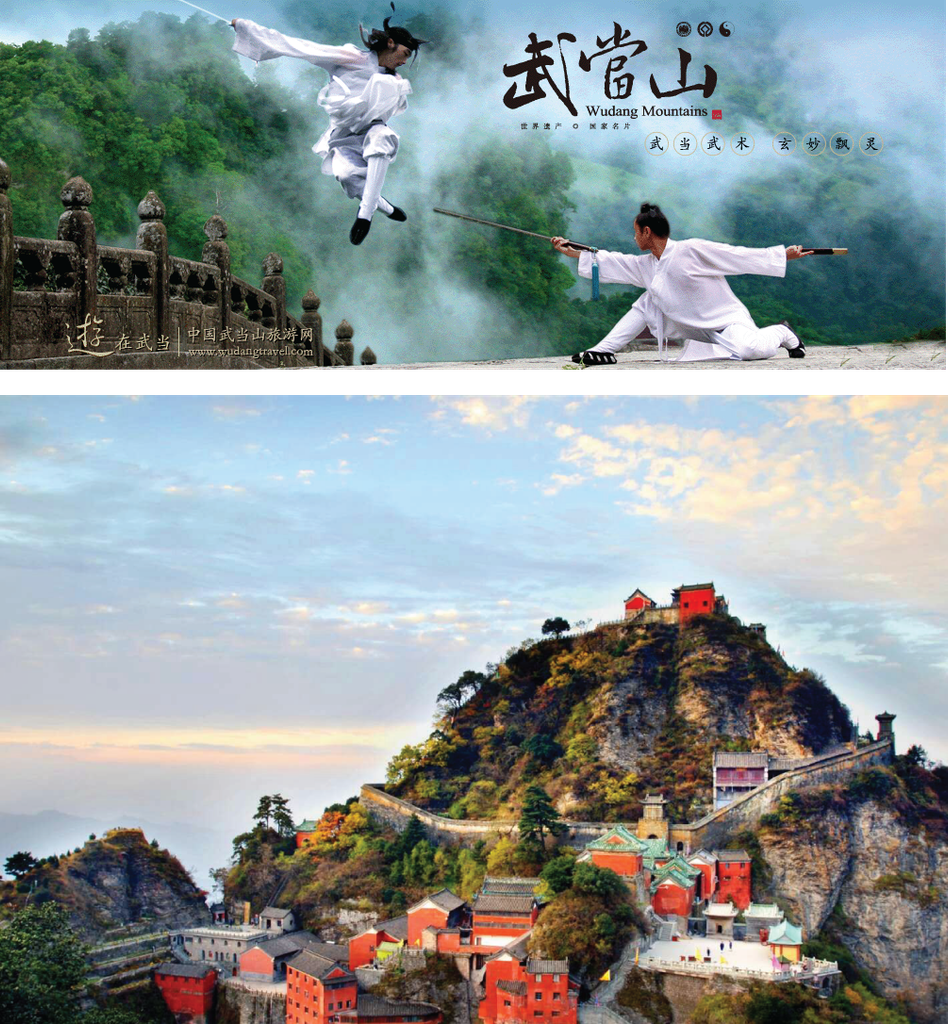
We’re planning a truly one‑of‑a‑kind Taichi retreat tracing the art back to its roots in China. Our journey begins with two relaxing days in Beijing, staying at the enchanting Purple Jade Villa — a hidden oasis filled with deer, peacocks, swans, llamas and doves right in the heart of a 22‑million‑person metropolis. Then we head to the legendary Taoist sanctuary of Wudang Mountain for five unforgettable days of Taichi practice, ancient Taoist wellness methods, traditional medicine, and thousand‑year‑old philosophy inside temples older than imagination. Finally, we fly to China’s “Silicon Valley,” Shenzhen, next to Hong Kong, where you’ll be amazed by the city’s futuristic energy, robotics, drones, and world‑leading tech innovation before returning home to Canada with memories you’ll treasure forever. More detail about this event.
1. Welcome with Philosophy
Oak Taichi is located in Oakville, Ontario, dedicated to cultivating balance, rooted strength, and mindful movement. Inspired by the natural symbolism of the oak tree, the program blends traditional Taichi (太极 Tai Ji) principles with a nature-centered teaching approach. The guiding motto — “Flow with nature. Stand like oak.” — reflects the harmony between softness and stability that defines the practice.
The personality of the oak tree
Trustworthy — often used in names of banks, neighborhoods, and foundations.
Short, strong, monosyllabic — no wasted motion
Earthy and grounded — feels like soil, roots, stability
Classic and timeless — not trendy, not modern, but enduring
Taichi is built on the interplay of yin and yang, softness and strength, motion and stillness. Oak Taichi emphasizes:
- Rooted stability — grounding the body like the deep roots of an oak
- Soft, continuous flow — moving with natural ease and breath
- Mind–body harmony — cultivating awareness through gentle movement
- Community connection — practicing together in a supportive environment
The program encourages students to develop inner calm, physical balance, and long-term resilience.
2. Instructor
Oak Taichi is led by Menghui, a certified Health Qigong Level 3 Instructor and Taichi practitioner. With a background in wellness education and community teaching, Menghui integrates Health Qigong and Taichi, approachable instruction suitable for all ages and skill levels. Menghui Nie, Founder & Chairman of Board, MartialArts Association of Canada (MAC), his profile is here.
3. Community Impact
Oak Taichi contributes to local wellness by:
- Providing accessible movement classes for adults and seniors
- Encouraging outdoor activity and nature connection
- Supporting mental health through practice
- Building a friendly, supportive community of learners
The program aims to help Oakville residents cultivate long-term physical and emotional well-being.
3.1 Tai Chi for Boaters & Sailors
Sailors and boaters rely heavily on balance, leg strength, and calm body control — especially on moving decks and in unpredictable conditions. Tai Chi enhances stability, joint mobility, and relaxed focus, helping boaters stay steady and confident on the water.
Our offering a 4‑week workshop called “Balance on the Water: Tai Chi for Boaters.”, at the yacht clubs.
3.2 Tai Chi for Golfers
Golfers often deal with tight hips, lower‑back stiffness, and balance issues — all of which directly affect swing power, accuracy, and long‑term joint health. Tai Chi strengthens weight transfer, improves rotational flexibility, and builds core stability, making it an ideal cross‑training method for golfers of all ages.
We offer a focused 4‑week workshop titled “Tai Chi for Golfers: Improve Your Swing & Longevity.”, at golf clubs.
3.3 Tai Chi for First Responders & Law Enforcement
First responders and law‑enforcement professionals operate under intense physical and mental pressure. Long hours, sudden high‑stress situations, and constant readiness often lead to tight hips, lower‑back strain, and elevated stress levels. Tai Chi builds grounded posture, calm focus, controlled breathing, and strong core stability — skills that directly support on‑duty performance and long‑term wellness.
We offer a focused 4‑week workshop titled “Tai Chi for First Responders: Strength, Focus & Stress Resilience.”
Our experience working with members of the Toronto Police adds practical credibility, showing how Tai Chi directly supports frontline professionals through improved grounding, focus, and stress‑management skills.
4. Disclaimer and Liability Waiver
The MartialArts Association Canada (MAC), its instructors, volunteers, organizers, and any venue or property owners hosting MAC activities, provide Taichi and Health Qigong instruction solely for general wellness, relaxation, balance, and mobility improvement.
MAC and its instructors are not medical professionals and do not diagnose, treat, or prescribe for any medical condition.
A. Participation in Taichi or Health Qigong does not replace medical care. Students must consult a qualified physician before beginning any exercise program, especially if they have existing health concerns, injuries, or conditions.
B. All students participate voluntarily and understand that any physical activity carries inherent risks, including but not limited to muscle strain, imbalance, or unexpected physical discomfort. By joining MAC classes, the student acknowledges that:
- They are participating at their own risk.
- They are responsible for monitoring their own physical condition.
- They must stop immediately if they feel pain, dizziness, or discomfort.
C. By attending MAC classes, the student waives all rights to bring any claim, demand, or legal action against:
- MAC
- Any MAC instructor
- Any MAC volunteer or staff
- Any venue, facility, or property owner where classes are held
This waiver includes claims related to injury, accident, or medical expenses, whether occurring during class, before class, after class, or on the premises.
D. The student agrees that:
- MAC and its instructors are not responsible for any medical bills or treatment costs.
- The student will not seek financial compensation for any injury or discomfort arising from participation.
- The student will not sue MAC, instructors, staff, or venue owners for any reason connected to the practice of Taichi or Health Qigong.
E. Students agree to act in good faith and with positive intention. No participant shall initiate complaints, threats, or legal actions against MAC, instructors, or venue owners based on misunderstanding, bad intention.
F. By attending any MAC class, workshop, or event, the student confirms that they have read, understood, and voluntarily accepted this disclaimer and liability waiver.
5. Resources
- About Taichi & Health Qigong
- Martial Arts Festival 2018 welcome the delegation to Toronto from Wudang Mountains in China, 25 people led by the President of the Chinese Taoist Association.
- Fun Taichi video PushHands-TuiShou